Polyester Sateen Bedding Fabric

Long-float sateen with a continuous soft sheen — the lustre that reads as premium across a hotel room, on a polyester base.

Sateen is built for light. Long warp floats carried over several weft yarns create an almost unbroken surface, so the cloth reflects light evenly instead of scattering it the way plain weave does. That is what gives a made bed its sheen under room lighting. The trade-off is abrasion: long floats snag more easily than tight plain weave, which is why sateen is normally specified for premium rooms rather than high-turnover contract bedding. GSM, width and finish are set per order.

  • GSM 80–140
  • Long-float lustre
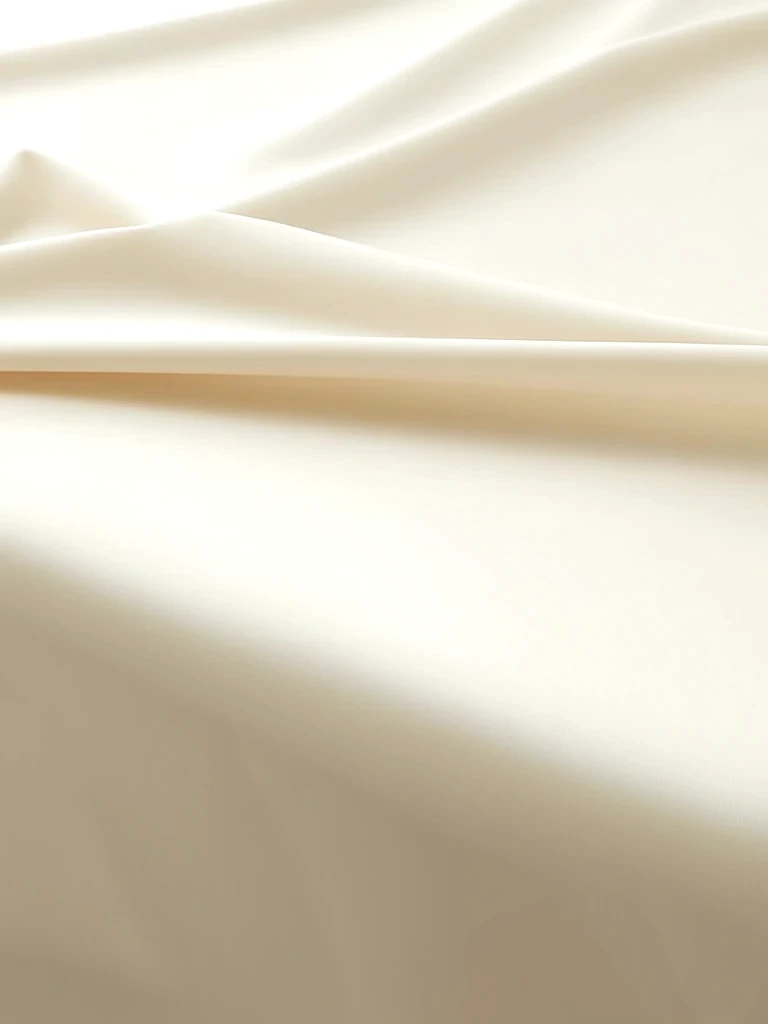
Ivory white sateen polyester fabric, completely smooth surface with soft continuous lustre

Specifications

Item Value Basis
Construction Sateen (long-float), delustred or lustrous Owner-confirmed
Composition 100% polyester Owner-confirmed
GSM capability range 80–140 Industry reference
Width range 150–280 cm Industry reference
Yarn count / density reference 75D × 150D / 190T Industry reference
MOQ 3,000 m per colour On request
Sampling 3–7 days On request
Customisation GSM, width, weave, finish and density set per order Owner-confirmed

How to read this table. Owner-confirmed values are what we hold ourselves to. Industry-reference values describe what the market commonly supplies for this construction and mark the range we can customise within — they are not a fixed measured figure for a single SKU. Order-specific values are set per order, per process and against the approval sample. Final specification is confirmed per order.

Custom manufacturing for OEM/ODM buyers

This page describes a construction, not a single catalogue item. GSM, width, weave, surface finish, density and print are all set per order within the ranges above, against a specification you approve. That is the practical difference between buying a stocked SKU and buying a construction: if your programme needs 240 cm instead of 150 cm, a firmer brush, or a 190T structure rebuilt to your own warp and weft count, the conversation is about what the loom can hold rather than about which item number to pick.

See full OEM/ODM capabilities →

Where it is typically used

  • Premium hotel rooms where the made bed is part of the guest impression
  • Boutique and resort bedding programmes with controlled laundry
  • Duvet covers and bed runners where drape and sheen matter more than abrasion resistance
  • Retail-facing bedding brands needing a lustrous surface

How a custom order runs

  1. RequirementSend GSM, width, weave, finish, expected volume and target market.
  2. Swatch / sampleWe propose a construction and send a swatch set, or build a sample piece for a new spec.
  3. Specification approvalGSM, width, density, colour and finish are locked against the approval sample in writing.
  4. Bulk productionProduction runs to the approved spec; inspection can be arranged before shipment.

Technical questions buyers ask

What is polyester sateen bedding fabric?

Polyester sateen bedding fabric is woven with long floats — each warp yarn passes over four or more weft yarns before interlacing — so the face is dominated by warp threads lying almost flat. The result is a smooth, lustrous surface with a soft drape and a continuous sheen that shifts as light moves across it. Because the floats sit proud of the structure, sateen feels smoother than plain weave at the same yarn count, which is why it reads as the premium option in a guest room.

What GSM is typical for sateen bedding?

The market commonly supplies sateen bedding fabric around 80–140 GSM. The lower part of that range gives a fluid drape that photographs well and suits rooms where the bed is made and dressed once a day; the upper part holds a crisper edge and resists the limpness light sateen can develop after washing. Final GSM is confirmed per order, and the choice usually follows the property tier rather than a single specification.

Does sateen wear as well as plain weave?

Not quite, and it is worth being straight about it. Long floats create a smoother surface but also more exposed yarn, so sateen is more prone to snagging and surface abrasion than a tight plain weave. In practice sateen suits premium rooms with controlled laundry, while contract properties with heavy turnover often stay on plain weave or twill. If durability is the deciding factor, twill gives similar body without the float exposure.

How is the sheen controlled?

Sheen comes from float length and finish, not from coatings. Lengthening the float raises lustre; a matte or peach-skin finish knocks it back to a soft glow. Some buyers ask for sateen without the shine, which is achievable by keeping the float structure while applying a delustred finish. Specify which you want before sampling, because the same construction can read glossy or quietly matte depending on the finish.

What widths, MOQ and sampling apply?

Widths run from 150 cm to 280 cm, with a minimum order of 3,000 metres per colour and 3–7 days for sampling. Wide sateen at the higher GSM end needs early confirmation, since long floats and heavy picks together reduce loom speed and raise the risk of float distortion across a very wide cloth. Raise the combination at enquiry stage rather than assuming it is available.

How should colour fastness and certification be described?

Colour fastness depends on the dyeing route, and sateen is usually piece-dyed rather than printed. In the market, disperse dyeing commonly reaches around grade 4 while pigment routes sit near grade 2; the target for an Entian order is set per order, process and approval sample. OEKO-TEX Standard 100 and ISO 9001 can be arranged on request rather than held by default, and SGS inspection can be booked before shipment.

FAQ

Is sateen the same as satin?

Related but not identical. Satin traditionally refers to silk or continuous-filament cloth; sateen is the same float structure woven in staple or textured yarn. In polyester bedding the terms are used loosely, and what matters is float length and finish, not the label.

Will sateen pill?

Less than a loose brushed cloth, but more than tight plain weave, because surface fibres are more exposed. A tighter weave and a smoother finish reduce pilling; confirm against your own wash trial.

Can sateen be printed?

Yes, though the sheen interacts with the print and pale designs can look different from the same design on plain weave. Heavy coverage hides the lustre; tone-on-tone designs pick it up.

What GSM for a 5-star property?

Most premium programmes land around 100–140 GSM. Below that the drape is fluid but can read thin on a large bed; confirm with a made-up sample rather than a flat swatch.

What is the minimum order?

3,000 metres per colour, with 3–7 days for sampling and bulk production after approval. Monthly capacity is around 1 million metres.

Ask for the specification sheet

Tell us the GSM, width and target market, and we will come back with the matching construction, a swatch set and a quotation for the volume you need.

Send requirements
Typical reply in 30 min · 9:00–21:00 (GMT+8) WhatsApp